
Whether you're a homeowner, business owner, or property manager in Hampton, GA, understanding locksmith services and security best practices can save you time, money, and stress. At Clayton County Locksmith, we've served the community at 12400 Centerra Dr and surrounding areas for years, helping residents and businesses secure their properties effectively. In this comprehensive guide, we'll share our top tips for making the most of locksmith services, maintaining your locks, and keeping your property safe. From emergency situations to planned security upgrades, these insights will help you make informed decisions about your security needs.
Understanding When You Need Professional Locksmith Services
Knowing when to call a professional locksmith can make the difference between a minor inconvenience and a major security issue. Many homeowners and business owners in Hampton attempt DIY solutions that often lead to more expensive repairs or compromised security.
Lockout situations are the most common reason people contact locksmiths. Whether you've locked your keys in your car, home, or office, a professional locksmith can provide quick, non-destructive entry. Attempting to break in yourself can damage locks, doors, or windows, resulting in costly repairs that far exceed the cost of professional service.
Broken or malfunctioning locks require immediate attention. If your key won't turn smoothly, the lock sticks, or you notice physical damage, don't wait until you're locked out. These are warning signs that your lock may fail completely at the worst possible time. Professional locksmiths can diagnose the issue and either repair or replace the lock before it becomes an emergency.
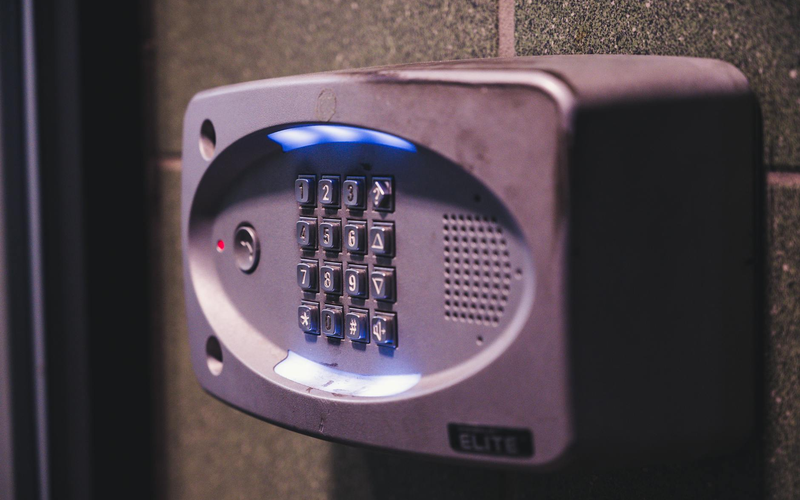
Moving into a new property is another crucial time to call a locksmith. You never know how many copies of keys previous owners or tenants may have distributed. Rekeying all locks ensures that only you and your trusted individuals have access to your property.
Security upgrades should be planned with professional guidance. If you're concerned about your property's security or have experienced a break-in, a locksmith can assess your vulnerabilities and recommend appropriate solutions, from high-security locks to smart lock systems.
How to Verify a Legitimate Locksmith
With the rise of scam artists posing as locksmiths, it's essential to know how to identify legitimate professionals before you need emergency services. This preparation can protect you from price gouging, poor workmanship, and potential security risks.
Always verify the business has a physical address. Legitimate locksmiths like Clayton County Locksmith operate from an actual location – in our case, 12400 Centerra Dr, Hampton, GA 30228. Be wary of companies that only provide a phone number or use generic van markings without clear business identification.
Check for proper licensing and insurance. While Georgia doesn't require state-level locksmith licensing, legitimate businesses carry liability insurance and workers' compensation coverage. Don't hesitate to ask for proof of insurance before allowing work to begin.
Request identification when the locksmith arrives. Professional technicians should have company uniforms or badges and arrive in clearly marked vehicles. If someone shows up in an unmarked vehicle without identification, consider this a red flag.
Get a detailed estimate before work begins. Reputable locksmiths provide clear pricing information over the phone and confirm it upon arrival. Be suspicious of vague quotes or significant price increases once the technician assesses the situation. While some adjustments may be necessary based on lock complexity, dramatic price changes are a warning sign.
Read online reviews and check with local business bureaus. Established locksmiths have track records you can research. Look for consistent positive feedback and how the business responds to any negative reviews.
What Proof Do You Need for Locksmith Services?
This is one of the most common questions we receive at Clayton County Locksmith, and it's an important one that protects both you and the locksmith from potential fraud or liability issues.
For residential services, you'll typically need to prove ownership or legal occupancy. This can include a driver's license showing your address matches the property, a lease agreement, property deed, or utility bills in your name. If you've recently moved and your ID shows a different address, bring multiple forms of documentation such as closing papers or your lease.
Business owners or managers requesting commercial locksmith services should have business identification, keys to other locks on the property, or documentation showing their authority to authorize lock work. Property managers should have written authorization from the property owner.
For vehicle lockouts, proof of ownership is essential. This includes your vehicle registration and a driver's license. If the vehicle is registered to someone else, such as a spouse or family member, you may need to provide additional documentation or have the registered owner present or provide authorization.
Emergency situations require the same documentation, but legitimate locksmiths understand these circumstances and will work with you to verify ownership appropriately. If you're locked out with your identification inside, locksmiths may ask for alternative verification methods, such as mail delivery to your address, knowing specific details about the property's interior, or having a neighbor vouch for you.
Legitimate locksmiths ask for this proof to protect you from unauthorized entry to your property. If a locksmith doesn't ask for any identification or proof of ownership, this should raise concerns about their professionalism and ethics.
Choose High-Quality Locks for Maximum Security
Not all locks are created equal, and investing in quality hardware is one of the most cost-effective security measures you can take. Understanding lock grades and features helps you make informed decisions about protecting your property.
The American National Standards Institute (ANSI) grades locks from 1 to 3, with Grade 1 being the highest security level. Grade 1 locks are recommended for commercial properties and homes in high-risk areas. They withstand significant force and resist picking, drilling, and other compromise methods. Grade 2 locks offer good security for residential properties and light commercial applications, while Grade 3 locks provide basic security suitable for interior doors or low-risk areas.
Deadbolt locks are essential for exterior doors. Single-cylinder deadbolts, which use a key on the outside and a thumb turn on the inside, are most common for residential use. Double-cylinder deadbolts, which require keys on both sides, offer additional security for doors with glass panels but require careful consideration for emergency egress.
Look for locks with hardened steel bolts at least one inch long. This length provides sufficient engagement with the door frame to resist kick-in attempts. The strike plate – the metal plate on the door frame that receives the bolt – should be equally robust, secured with screws at least three inches long that anchor into the wall stud, not just the door frame.
Consider locks with pick-resistant cylinders for enhanced security. Features like security pins, sidebars, and restricted keyways make unauthorized duplication and picking significantly more difficult. Brands like Medeco, Mul-T-Lock, and Schlage Primus offer high-security options with patent-protected keyways.
For businesses, master key systems provide convenience without sacrificing security. These systems allow different keys to access specific areas while giving authorized personnel master keys for broader access. Professional design ensures no security vulnerabilities in the hierarchy.
Understanding Locksmith Service Costs
Knowing typical locksmith pricing helps you budget appropriately and recognize unreasonable quotes. While costs vary based on service type, time of day, and lock complexity, understanding general price ranges protects you from price gouging.
Standard service calls during business hours typically range from $75 to $150, which usually includes the initial inspection and basic services. This covers the locksmith's time, expertise, and travel to your location. Services in Hampton and surrounding Clayton County areas generally fall within this range for established, reputable companies.
Lockout services vary based on complexity. Simple home lockouts might cost $100-$150 during business hours, while car lockouts typically range from $75-$150 for standard vehicles. High-security locks, commercial properties, or advanced vehicle security systems may increase costs due to specialized tools and expertise required.
Rekeying services are generally more affordable than complete lock replacement. Rekeying a single lock typically costs $20-$30 per lock after the service call fee, making it cost-effective when moving into a new property or after losing keys. Rekeying multiple locks during the same visit reduces the per-lock cost since the service call fee applies only once.
Lock installation costs depend on lock type and installation complexity. Basic residential deadbolt installation might add $100-$200 to the lock's purchase price, while high-security commercial locks or electronic access systems require more extensive installation and programming, potentially costing several hundred dollars per door.
Emergency services during evenings, weekends, or holidays typically incur additional fees of $50-$100 or more. This premium compensates locksmiths for being available outside standard business hours. However, excessive emergency fees – such as double or triple the standard rate – may indicate price gouging.
Key duplication varies by key type. Standard house keys cost just a few dollars each, while high-security keys with restricted keyways might cost $20-$50 per key due to blanks that require authorization to purchase and specialized cutting equipment.
Which Keys Cannot Be Copied and Why
Understanding key copying restrictions helps you maintain security and comply with legal requirements. Not all keys can be duplicated without specific authorization or documentation.
Restricted keyways are designed with patent-protected designs that prevent unauthorized duplication. These high-security keys require authorization from the original purchaser or property owner before locksmiths can create copies. The key blanks themselves are only available to authorized locksmiths who have agreements with the manufacturer. This restriction prevents former employees, tenants, or unauthorized individuals from making copies.
Government and institutional keys often have "Do Not Duplicate" markings and may be illegal to copy without proper authorization. These include keys for post office boxes, certain government facilities, and some university or school buildings. Locksmiths can face legal consequences for duplicating these keys without proper documentation.
Certain automotive keys cannot be easily copied due to electronic components. Modern car keys with transponder chips, proximity fobs, or complex electronic systems require specialized equipment and access to manufacturer databases. Some dealers maintain exclusive control over key duplication for newer vehicles, though qualified automotive locksmiths can often provide these services at lower costs.
Patent-protected key systems like Medeco, Mul-T-Lock, Assa Abloy, and Primus have restrictions that expire when patents lapse, but while protected, these keys can only be copied through authorized dealers with proper documentation. This protection ensures that only authorized individuals can expand access to secure facilities.
Master key system keys should never be copied without authorization from the system's administrator. Unauthorized duplication can compromise the entire security hierarchy, potentially giving inappropriate access levels to individuals.
While many keys bear "Do Not Duplicate" stamps, this marking alone doesn't legally prevent copying in most states. However, ethical locksmiths will ask for proof of ownership or authorization before copying these keys. The marking serves as a reminder that the key owner wants to control distribution.
Never Leave Spare Keys in Obvious Locations
One of the simplest yet most frequently ignored security tips involves spare key storage. Burglars know all the common hiding spots, and using them essentially negates the security your locks provide.
Under doormats, above door frames, inside fake rocks, and under flower pots are the first places intruders check. These locations are so commonly used that they offer virtually no security. If a burglar spends just 60 seconds checking obvious spots, they'll likely find keys hidden in these locations.
Mailboxes, unlocked sheds, and nearby planters also provide minimal security. Even if these locations seem less obvious to you, they're well-known to people with bad intentions. Remember that anyone who observes you retrieving or replacing a key from these locations instantly knows where to find access to your property.
Instead of hiding keys outside, consider these safer alternatives. Give spare keys to trusted neighbors, family members, or friends who live nearby. This approach ensures someone can provide access during emergencies while maintaining security. Choose people who will be available when needed and who you trust completely.
Key lockboxes with combination codes offer better security than hiding keys, but only if mounted in discreet locations and protected with strong, regularly changed combinations. Real estate agents use these regularly, but residential versions should be placed where they're not immediately visible to passersby.
Modern smart locks eliminate the need for spare keys entirely. These systems allow you to provide temporary access codes to family members, service providers, or guests without distributing physical keys. You can change codes remotely, receive notifications when codes are used, and never worry about lost keys again.
For businesses, never leave keys hidden outside the premises. The liability risks and potential losses from theft far exceed the inconvenience of after-hours lockouts. Establish clear key control policies and ensure multiple authorized individuals have access for emergencies.
Rekey Your Locks When Moving Into a New Home
This simple step is one of the most important security measures new homeowners and tenants can take, yet many people overlook it, assuming previous occupants were trustworthy or that they've received all key copies.
You can never know how many key copies exist for your new property. Previous owners may have given keys to neighbors, friends, family members, housekeepers, contractors, or pet sitters. Even with the best intentions, they can't guarantee they've retrieved every copy. Tenants who previously rented your new home may have made unauthorized copies.
Rekeying changes the lock's internal pins so old keys no longer work. This process is faster and more affordable than replacing entire locks, especially if your existing locks are in good condition and meet your security needs. A professional locksmith can rekey multiple locks in a single visit, often completing the work in just a few hours.
Rekey all exterior doors, garage entry doors, and any other locks that provide access to your property. Many homeowners overlook garage doors, basement entries, or side doors, creating security vulnerabilities even after rekeying their front door.
Consider rekeying to a master key system if you have multiple properties or want convenient key management. This allows one key to open multiple locks while maintaining individual keys for specific access. It's particularly useful for landlords, property managers, or homeowners with multiple buildings on their property.
The cost of rekeying is minimal compared to the potential consequences of unauthorized access. Rekeying typically costs $20-$30 per lock after the service call fee, making it one of the most cost-effective security investments you can make. Delaying this service or skipping it entirely puts your property, possessions, and personal safety at risk.
While rekeying, it's also an excellent opportunity to have your locks inspected and serviced. Locksmiths can identify worn components, alignment issues, or other problems that might cause future failures. This preventive maintenance helps avoid emergency lockouts and ensures your locks function smoothly.
Maintain Your Locks Regularly for Longevity
Like any mechanical device, locks require regular maintenance to function properly and provide reliable security. Simple maintenance tasks can prevent emergency lockouts and extend your locks' lifespan significantly.
Lubricate your locks twice yearly using graphite powder or silicone-based lubricants specifically designed for locks. Avoid oil-based products like WD-40, which attract dirt and dust that eventually gum up the lock mechanism. Insert the lubricant into the keyway and work the key in and out several times to distribute it throughout the cylinder.
Clean keys regularly to prevent dirt and grime from transferring into your locks. Keys pick up oils from your hands, lint from pockets, and environmental dirt that gradually builds up inside lock cylinders. Wipe keys with a clean cloth and occasionally clean them with rubbing alcohol to remove accumulated residue.
Check for loose mounting screws on door locks and handles. Vibration from daily use gradually loosens screws, causing locks to misalign with strike plates. This misalignment makes locks difficult to operate and can eventually cause keys to break off inside the cylinder. Tighten loose screws promptly, but avoid over-tightening, which can strip threads.
Inspect weatherstripping around exterior doors to ensure moisture doesn't reach lock mechanisms. Water intrusion causes rust and corrosion, particularly in areas like Hampton where humidity is a factor. Replace damaged weatherstripping and consider installing door sweeps to keep moisture out.
Test your locks regularly to identify problems before they become emergencies. If a key becomes difficult to insert or turn, the lock sticks, or you notice unusual resistance, contact a locksmith for inspection rather than forcing the mechanism. Forcing a sticky lock can break keys or damage internal components.
For electronic and smart locks, maintain batteries according to manufacturer recommendations. Most smart locks provide low-battery warnings, but don't wait until the last minute to replace them. Keep spare batteries on hand and replace them at least annually, even if the lock hasn't indicated low power.
Consider professional lock