
Whether you're locked out of your home, need to upgrade your security system, or require emergency automotive locksmith services, knowing what to expect from professional locksmith services can save you time, money, and stress. At Clayton County Locksmith, we've helped countless Hampton, GA residents and businesses with their security needs, and we've compiled our most valuable insights to help you make informed decisions about locksmith services. Understanding these essential tips will empower you to choose the right locksmith, maintain your locks properly, and handle security situations with confidence.
Understanding Professional Locksmith Services
Professional locksmith services encompass far more than just cutting keys or helping you when you're locked out. Modern locksmiths are security experts who can assess your property's vulnerabilities, recommend appropriate solutions, and implement advanced security systems. When you work with a qualified locksmith, you're gaining access to specialized knowledge about the latest lock technologies, security trends, and best practices for protecting your property.
A reputable locksmith should offer comprehensive services including residential, commercial, and automotive solutions. They should be equipped to handle traditional lock and key services while also staying current with smart lock technology, access control systems, and electronic security solutions. The best locksmiths invest in ongoing training and equipment upgrades to serve their customers effectively.
Credentials matter significantly in the locksmith industry. Look for locksmiths who are licensed, bonded, and insured. These credentials protect you from liability and ensure that the technician has met certain professional standards. Additionally, membership in professional organizations like the Associated Locksmiths of America (ALOA) demonstrates a commitment to ethical practices and continued education.
How to Choose a Reliable Locksmith
Selecting the right locksmith before you need emergency services is one of the smartest security decisions you can make. When you're in a crisis situation, you don't have time to properly vet service providers, which can leave you vulnerable to scams or subpar service. Take time now to identify a trustworthy locksmith in your area.
Start by researching local locksmiths with established physical locations in your community. Companies with actual storefronts and local addresses are more accountable than those operating solely online or from unmarked vehicles. Clayton County Locksmith, located at 12400 Centerra Dr, Hampton, GA 30228, maintains a local presence to better serve our community.
Read reviews and testimonials from multiple sources. Check Google reviews, Better Business Bureau ratings, and local community forums. Pay attention to how the company responds to negative reviews, as this demonstrates their commitment to customer satisfaction. Look for patterns in feedback regarding response times, pricing transparency, and technician professionalism.
Ask for recommendations from friends, family, neighbors, and local business owners. Personal referrals often provide the most reliable information about service quality and trustworthiness. Real estate agents, property managers, and auto dealerships frequently work with locksmiths and can offer valuable insights.
Verify that the locksmith provides clear pricing information upfront. Reputable locksmiths will give you an honest estimate before beginning work, including service call fees, labor charges, and parts costs. Be wary of any locksmith who refuses to provide pricing information or only offers vague estimates.
Essential Residential Lock Maintenance Tips
Proper lock maintenance extends the life of your security hardware and ensures reliable operation when you need it most. Many lock problems can be prevented with regular care and attention. Implementing a simple maintenance routine protects your investment and enhances your home's security.
Lubricate your locks at least twice per year using graphite powder or a silicone-based lubricant specifically designed for locks. Avoid using oil-based products like WD-40, as these can attract dust and grime that will eventually gum up the lock mechanism. Apply lubricant sparingly to the keyway and work the key in and out several times to distribute it evenly.
Clean your locks regularly to remove dirt, dust, and debris. Use a soft brush or compressed air to clear the keyway and surrounding areas. For exterior locks, pay special attention after severe weather events that might have introduced moisture or debris into the mechanism.
Inspect your locks periodically for signs of wear or damage. Check for loose screws, wobbly handles, keys that stick or require excessive force, and any visible corrosion or damage. Addressing minor issues promptly prevents them from becoming major security problems or requiring complete lock replacement.
Test your deadbolts regularly to ensure they're extending and retracting smoothly. The bolt should slide easily without catching or requiring excessive force. If you notice resistance, this could indicate misalignment or internal wear that needs professional attention.
Replace worn keys before they break off in the lock. If your key shows significant wear, has bent slightly, or doesn't operate the lock as smoothly as it once did, have a new key cut from the original or code. Using worn keys accelerates lock wear and increases the risk of breaking a key in the lock.
Automotive Locksmith Service Insights
Modern vehicles present unique challenges that require specialized locksmith expertise. Understanding these services helps you prepare for common automotive lock and key situations and make informed decisions when problems arise.
Key fob and transponder key services have become increasingly important as vehicles have evolved. Most cars manufactured after 1995 use transponder keys with embedded chips that communicate with the vehicle's computer system. Professional automotive locksmiths can program new transponder keys and key fobs, often at a fraction of the cost charged by dealerships.
Ignition repair and replacement services address issues beyond simple lockouts. If your key won't turn in the ignition, gets stuck, or the ignition cylinder feels loose, you need professional diagnosis and repair. Attempting DIY fixes can damage the ignition system and potentially leave you stranded.
Extraction of broken keys from locks and ignitions requires specialized tools and expertise. Never attempt to start your vehicle or force the lock if a key has broken off inside. This can push the broken piece deeper into the mechanism and complicate the extraction process. Professional locksmiths have extraction tools designed for this specific purpose.
Emergency vehicle lockout services should be available 24/7 from your locksmith. Being locked out of your car can happen at any time, and a reliable locksmith should offer prompt emergency response. When calling for lockout service, provide your exact location, vehicle make and model, and whether you have a transponder key system.
Commercial Security Solutions and Best Practices
Businesses face different security challenges than residential properties, requiring specialized locksmith services and security strategies. Understanding commercial locksmith services helps you protect your business assets, employees, and customers effectively.
Master key systems provide convenient access control for businesses with multiple doors and employees at different authorization levels. A properly designed master key system allows you to issue keys that open only specific doors while maintaining a master key that opens all locks. This eliminates the need for employees to carry multiple keys while maintaining security hierarchies.
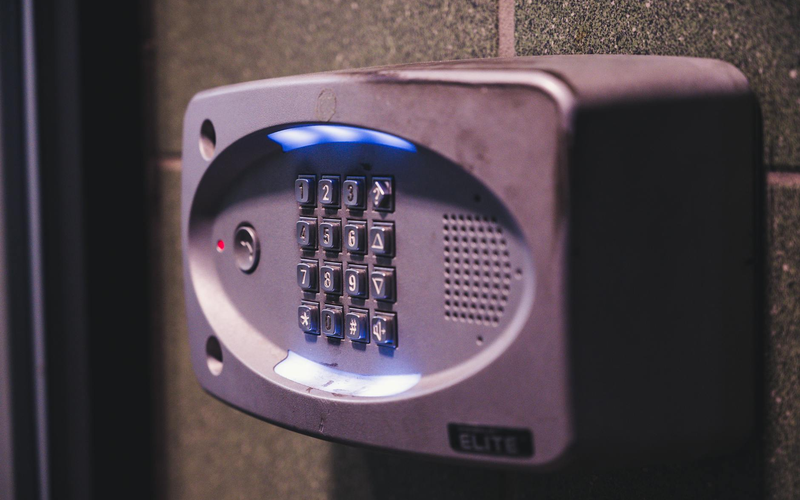
Access control systems offer advanced security for modern businesses. These electronic systems use key cards, PIN codes, or biometric authentication to control entry to your facility. They provide detailed access logs, allow you to instantly revoke access for former employees, and eliminate the need to rekey locks when employees leave.
High-security locks and restricted keyways provide superior protection for businesses with valuable inventory, sensitive information, or high theft risk. These locks feature patented keyways that prevent unauthorized key duplication and offer superior resistance to picking, bumping, and other bypass techniques.
Panic bars and emergency exit devices must comply with local fire codes while maintaining security. Professional commercial locksmiths understand these requirements and can install and maintain exit devices that provide quick egress during emergencies while preventing unauthorized entry from outside.
Regular security audits help identify vulnerabilities in your commercial property. A professional locksmith can assess your current security measures, identify weak points, and recommend improvements. This proactive approach prevents security breaches before they occur.
Emergency Locksmith Services: What to Expect
Understanding how emergency locksmith services work helps you handle stressful situations more effectively and avoid scams. Knowing what to expect when you call for emergency assistance ensures a smoother, safer experience.
Response time varies based on your location, time of day, and the locksmith's current call volume. Reputable emergency locksmiths typically arrive within 30 minutes for urgent situations. When you call, ask for an estimated arrival time and get the technician's name and contact information.
Pricing for emergency services typically includes a service call fee plus labor and materials. Emergency calls during nights, weekends, or holidays may incur additional charges. A trustworthy locksmith will explain all fees upfront before dispatching a technician. Never agree to service without understanding the total expected cost.
Proper identification should be verified before a locksmith grants access to your property. Legitimate locksmiths will ask for identification and proof of ownership or residency before unlocking doors. This protects you from fraudulent access to your property. Be prepared to show your driver's license, lease agreement, or vehicle registration.
Non-destructive entry methods should always be attempted first. Professional locksmiths have tools and techniques to unlock most doors without drilling or damaging the lock. Destructive entry should only be used as a last resort, and the locksmith should explain why it's necessary and get your approval before proceeding.
Documentation of the service should include an itemized invoice showing service call fees, labor charges, parts costs, and any additional fees. Keep this documentation for your records and for potential insurance claims if the lockout resulted from a security incident.
Smart Lock Technology and Modern Security
Smart lock technology is revolutionizing home and business security, offering convenience and enhanced control. Understanding these options helps you decide whether smart locks are right for your property and how to implement them effectively.
Wi-Fi and Bluetooth-enabled locks allow you to control access to your property remotely using a smartphone app. You can lock and unlock doors from anywhere, receive notifications when doors are accessed, and grant temporary access to guests or service providers without physical keys.
Integration with home automation systems enables your locks to work seamlessly with other smart devices. Your locks can trigger lighting, adjust thermostats, or arm security systems based on whether doors are locked or unlocked. This creates a comprehensive security ecosystem that enhances both safety and convenience.
Keyless entry options include PIN codes, fingerprint readers, and proximity sensors. These eliminate the risk of lost or stolen keys while providing convenient access for authorized users. Many systems allow you to program multiple codes or fingerprints, making them ideal for families or small businesses.
Battery backup systems ensure that smart locks remain functional during power outages. Quality smart locks include low-battery warnings and mechanical key backup options. Always maintain fresh batteries and keep a physical key in a secure location as a failsafe.
Professional installation ensures that smart locks function properly and maintain security. While some smart locks are marketed as DIY-friendly, professional installation guarantees proper alignment, secure mounting, and correct configuration of all features. A locksmith can also assess whether your existing door is suitable for smart lock installation.
Lock Security Grades and What They Mean
Understanding lock security grades helps you choose appropriate locks for different applications and security needs. The American National Standards Institute (ANSI) and Builders Hardware Manufacturers Association (BHMA) have established grading systems that indicate lock quality and durability.
Grade 1 locks represent the highest security and durability rating. These locks undergo rigorous testing for operational cycles, strike resistance, and cylinder strength. Grade 1 locks are recommended for commercial applications and high-security residential needs. They offer maximum protection against forced entry, picking, and other bypass techniques.
Grade 2 locks provide good security suitable for most residential applications. These locks meet substantial performance standards while offering a balance between security and affordability. For typical homes in safe neighborhoods, Grade 2 locks provide adequate protection when properly installed.
Grade 3 locks meet minimum security standards and are appropriate for low-security applications like interior doors, closets, or storage areas. While these locks are the most affordable option, they offer limited protection and should not be used for exterior doors or high-value areas.
Deadbolts with one-inch throws and hardened steel bolts significantly enhance door security regardless of grade. The throw length determines how far the bolt extends into the door frame. A one-inch throw provides superior resistance to forced entry compared to shorter throws.
Strike plate quality and installation are equally important as the lock itself. A strong lock attached to a weak strike plate provides minimal security. Professional locksmiths install reinforced strike plates with long screws that anchor into the wall studs, creating a robust security system.
Common Locksmith Scams and How to Avoid Them
Unfortunately, the locksmith industry has attracted some unscrupulous operators who prey on people in vulnerable situations. Learning to recognize common scams protects you from fraud and ensures you receive honest, professional service.
Bait-and-switch pricing tactics advertise extremely low prices to attract customers, then claim the job is more complex than initially quoted once the technician arrives. Legitimate locksmiths provide realistic estimates upfront and explain any necessary price adjustments before beginning work. If the price suddenly increases dramatically upon arrival, refuse the service and call another locksmith.
Unmarked vehicles and lack of company identification should raise immediate red flags. Professional locksmiths drive clearly marked vehicles with company names, logos, and contact information. The technician should also wear a uniform or identification badge and present business cards.
Pressure to drill locks unnecessarily increases costs and damages your property. While drilling is sometimes necessary, skilled locksmiths can pick or bypass most standard locks without destruction. Be suspicious of any technician who immediately reaches for a drill without attempting other methods first.
Out-of-area locksmiths often operate call centers that dispatch contractors to your location. These companies may use local phone numbers and addresses but aren't actually based in your community. Working with established local locksmiths ensures accountability and typically results in better service.
Cash-only payment demands and lack of receipts indicate potential fraud. Reputable locksmiths accept multiple payment methods and provide detailed, itemized receipts. Never pay cash without receiving proper documentation of the service provided.
Seasonal Lock and Security Considerations
Different seasons present unique challenges for locks and security systems. Understanding these seasonal factors helps you maintain optimal security year-round and prevent weather-related lock problems.
Winter weather can cause locks to freeze, making them difficult or impossible to operate. Prevent frozen locks by applying graphite lubricant before cold weather arrives. If a lock does freeze, warm the key with a lighter or apply lock de-icer spray. Never force a frozen lock, as this can break the key or damage internal components.
Spring cleaning should include lock inspection and maintenance. Check all exterior doors for weather damage, test locks for smooth operation, and verify that weatherstripping remains intact. This is also an ideal time to change locks if you've recently moved or had tenant turnover.
Summer vacation security requires special attention when you'll be away from your property for extended periods. Consider having a locksmith install smart locks that allow you to monitor and control access remotely. Ask trusted neighbors to watch your property and collect mail to maintain the appearance of occupancy.
Fall preparation before holiday travel includes checking that all locks function properly and considering upgrades before the busy holiday season. Burglary rates often increase during holidays when homes are unoccupied and contain valuable gifts. Ensure your security measures are adequate before leaving for extended periods.
Hurricane season in Georgia requires special considerations for both security and safety. Install impact-resistant locks on hurricane-rated doors, and ensure all entry points can be secured quickly if evacuation becomes necessary. Keep important documents and spare keys in waterproof containers.
Key Control and Duplication Best Practices
Proper key control protects your property from unauthorized access and helps you maintain accountability for who has access to your home or business. Implementing smart key management practices is essential for comprehensive security.
Account for all keys to your property and know who has copies. When you move into a new home or business, immediately rekey or replace all locks. You never know how many copies of the existing keys might be in circulation. Maintaining a written record of key distribution helps you track who has access.
Restricted keyways prevent unauthorized key duplication by requiring special authorization from the lock manufacturer or authorized locksmith. These systems use patented key designs that cannot be duplicated at standard key-cutting machines. For high-security applications, restricted keyways provide superior access control.
Do not duplicate security keys at unlicensed key-cutting kiosks or unauthorized vendors. These services cannot verify your authorization to duplicate the key and often produce poor-quality copies that may damage your locks. Always have keys duplicated by professional locksmiths who use proper equipment and blanks.
Label keys discreetly without identifying your address or property. If you lose keys labeled with your address, you've provided a potential criminal with both access to your property and directions to find it. Use color coding or numbers that only you can interpret.
Store spare keys securely rather than hiding them